
Can disohozid disease has recently drawn attention due to concerns about its severity and potential health risks. While the condition is not widely known, understanding it is crucial for awareness, prevention, and proper treatment. Questions like “can disohozid disease kill you” reflect public concern over whether the disease poses a life-threatening risk. Exploring the causes, symptoms, progression, and available medical interventions provides a clear perspective on the impact of disohozid disease. Awareness and early intervention are key factors in managing any medical condition effectively.
What is Can Disohozid Disease?
Can disohozid disease is a medical condition that affects certain systems in the body. Its exact origin may be genetic, infectious, or environmental depending on specific research findings. While research is ongoing, the disease is known to present a range of symptoms that can vary in severity. Understanding the nature of the disease is the first step in assessing its potential danger and planning appropriate treatment strategies. Medical attention and proper diagnosis are critical for managing the condition.
Symptoms of Disohozid Disease
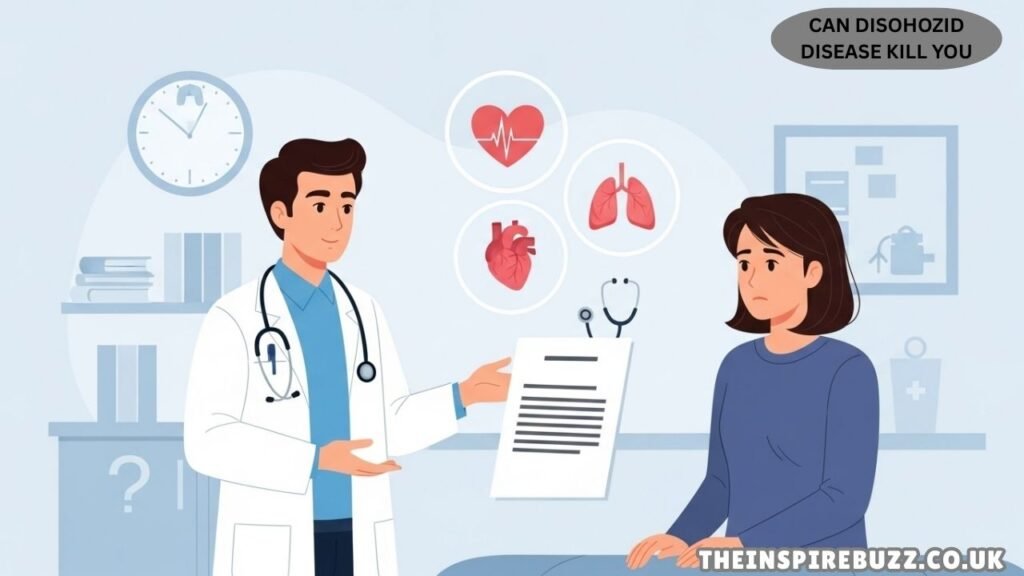
Recognizing the symptoms of disohozid disease is essential for early detection. Common signs may include fatigue, fever, inflammation, or organ-specific issues depending on how the disease manifests. Some individuals may experience mild discomfort, while others could face more severe complications. Awareness of early symptoms allows individuals to seek timely medical care, reducing the risk of progression and potential life-threatening complications. Monitoring health changes and reporting unusual symptoms to healthcare professionals is vital for effective management.
Causes and Risk Factors
Disohozid disease can develop due to various factors, including genetic predisposition, exposure to certain pathogens, or lifestyle-related risks. Identifying these causes helps in prevention and early detection. Individuals with a family history of related conditions or those exposed to environmental triggers may be at higher risk. Understanding these factors allows healthcare providers and patients to implement preventive measures, reduce exposure, and adopt healthier lifestyle practices to minimize risk.
Can Disohozid Disease Kill You?
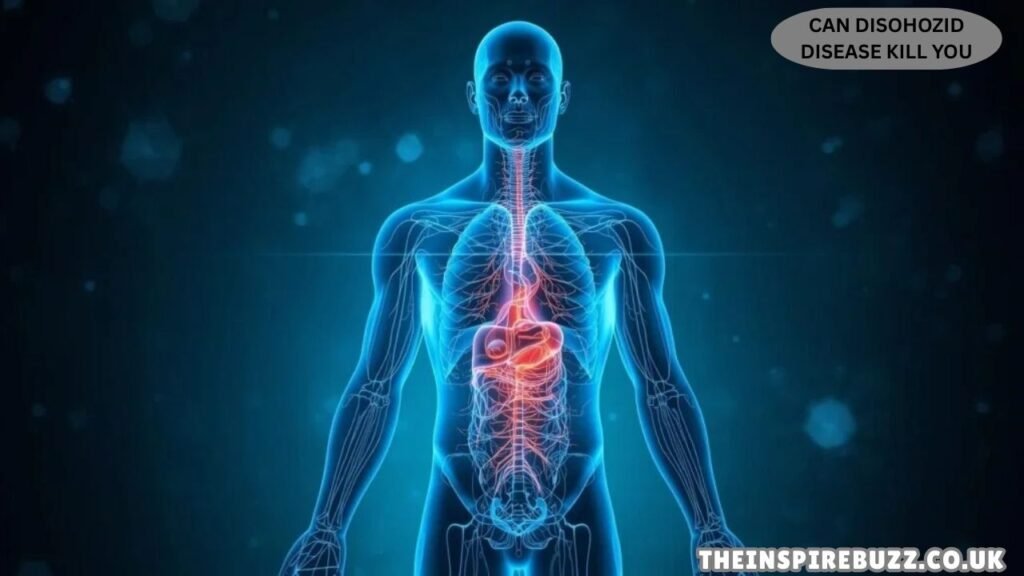
One of the primary concerns is whether disohozid disease can be fatal. Like many medical conditions, the risk of death depends on severity, early diagnosis, and proper treatment. Severe cases or untreated progression may lead to complications that can threaten life, while timely intervention often prevents fatal outcomes. Continuous monitoring, adherence to prescribed treatments, and regular consultations with medical professionals significantly reduce the risk of serious complications. Education about the disease helps in addressing fears and promoting proactive health management.
Treatment Options for Disohozid Disease
Treatment for disohozid disease varies depending on symptoms and severity. Medical management may include medications to control inflammation, reduce infection, or support affected organs. In severe cases, hospitalization or specialized interventions may be necessary. Complementary care, such as nutrition support, physical therapy, or lifestyle modifications, can enhance overall health and improve recovery outcomes. Collaborating closely with healthcare providers ensures that treatment plans are personalized, effective, and safe.
Prevention and Lifestyle Measures
Preventing disohozid disease or minimizing its impact involves proactive health practices. Maintaining a balanced diet, regular exercise, avoiding environmental risk factors, and adhering to medical advice are essential steps. Vaccinations, hygiene, and early medical screenings can also play a role in prevention. Understanding personal risk factors and taking preventive measures increases resilience and reduces the likelihood of severe complications. Awareness campaigns and education about the disease further support public health efforts.
Monitoring and Follow-Up
Regular monitoring and follow-up are crucial for managing disohozid disease. Routine check-ups, diagnostic tests, and symptom tracking help in assessing the effectiveness of treatments and adjusting interventions as needed. Early detection of changes or complications can prevent severe outcomes. Patients and caregivers must work closely with medical professionals to ensure continuous care and timely response to emerging health concerns.
Emotional and Psychological Impact
Like many chronic or serious conditions, disohozid disease may impact mental and emotional well-being. Anxiety, stress, and fear about the potential severity of the disease are common. Support systems, counseling, and mental health care can help patients cope with these challenges. Addressing emotional health alongside physical treatment contributes to overall recovery and quality of life.
Conclusion
Can disohozid disease is a serious medical condition that requires awareness, early detection, and proper medical care. While the question “can disohozid disease kill you” highlights valid concerns, timely diagnosis and effective treatment significantly reduce the risk of fatal complications. Understanding symptoms, causes, risk factors, and treatment options empowers individuals to take control of their health. Continuous monitoring, preventive measures, and emotional support further enhance management and recovery. Awareness and education remain key to reducing the impact of disohozid disease and promoting long-term health.
Also read: Nidixfun Guide – Meaning, Uses, Applications & Insights