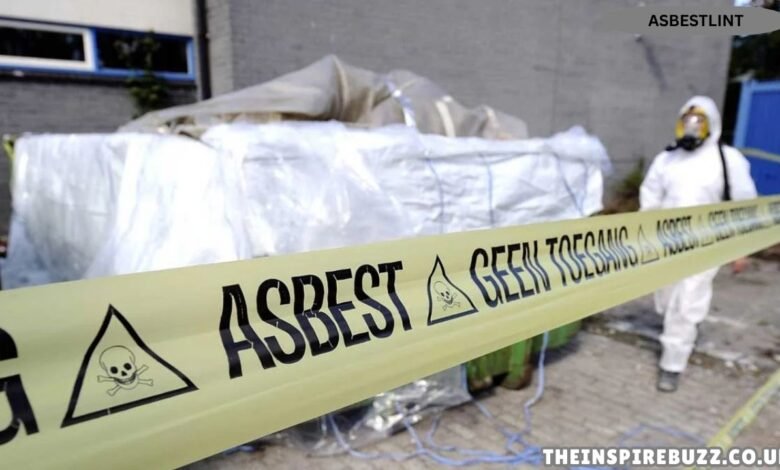
asbestlint is a term associated with asbestos fibers, which are known for their historical industrial use and significant health risks. While asbestos materials were once widely used for insulation, construction, and fireproofing, awareness about their dangers has increased globally. Asbestlint refers to tiny asbestos particles or dust, which can become airborne and pose severe health hazards when inhaled. Understanding asbestlint, its risks, and safety measures is critical for both industrial workers and the general public. The term is often searched by people concerned about exposure, legal regulations, and protective practices.
What is Asbestlint?
Asbestlint describes fine asbestos fibers or dust that can detach from materials containing asbestos. These fibers are microscopic, lightweight, and can linger in the air for extended periods. While intact asbestos materials are relatively safe if undisturbed, asbestlint represents a higher risk due to its potential for inhalation. Exposure to asbestlint can occur in construction, renovation, demolition, or industrial settings where asbestos-containing materials are handled. Understanding what asbestlint is and recognizing its presence is the first step in minimizing health risks and ensuring proper safety measures.
Health Risks Associated with Asbestlint
Exposure to asbestlint can lead to serious health conditions, primarily affecting the lungs. Inhaled asbestos fibers can cause inflammation, scarring, and eventually lead to diseases such as asbestosis, lung cancer, and mesothelioma. Symptoms may take years to appear, making early awareness and prevention essential. Even low levels of exposure can accumulate over time, increasing long-term risk. Understanding these health risks underscores the importance of identifying asbestlint in environments and adhering to strict safety protocols to protect workers and residents from exposure.
Common Sources of Asbestlint
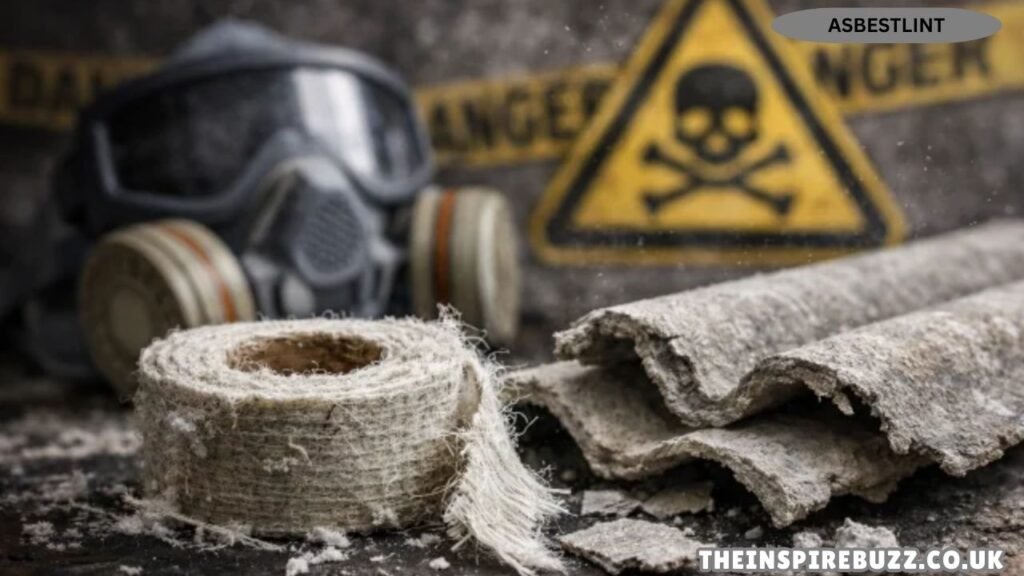
Asbestlint is commonly found in older buildings, insulation materials, roofing, flooring, and industrial equipment manufactured before the asbestos ban. Renovation, demolition, or accidental disturbance of these materials can release fibers into the air. Workers in construction, shipbuilding, or manufacturing may also encounter asbestlint during routine operations. Recognizing potential sources helps in implementing safety measures, reducing exposure risk, and protecting public health. Proper identification and awareness are essential to prevent accidental inhalation of asbestos fibers.
Safety Measures and Precautions
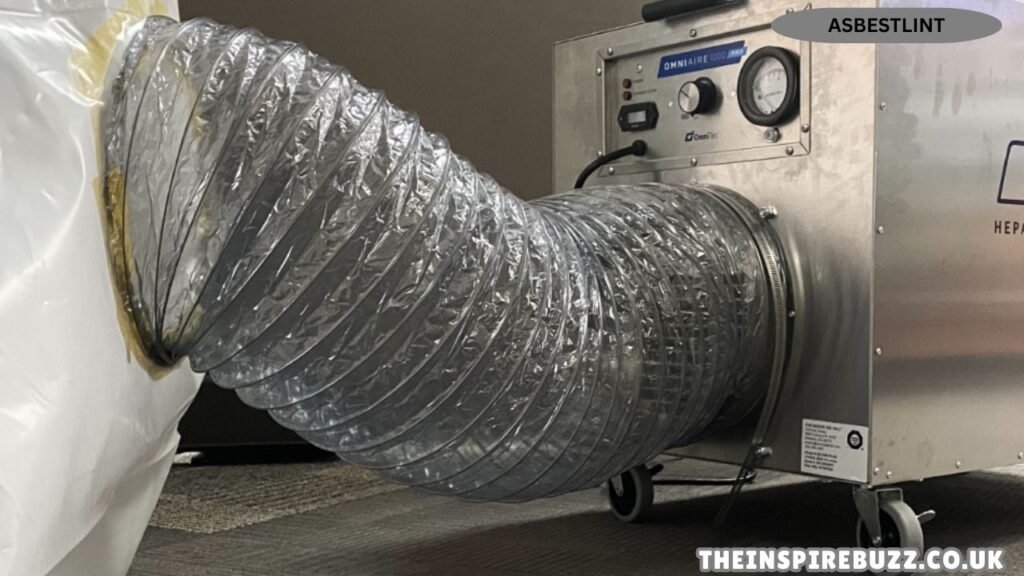
Handling asbestlint requires strict safety protocols. Protective measures include wearing certified respirators, disposable clothing, and gloves when dealing with asbestos-containing materials. Areas should be properly sealed, and wetting methods can reduce airborne fibers during removal or renovation. Only trained professionals should remove or dispose of asbestos to minimize exposure. Regulatory guidelines dictate strict procedures for handling and transporting asbestos-containing materials to prevent environmental contamination. Awareness and adherence to these precautions are crucial for safety.
Legal Regulations and Compliance
Many countries have established legal regulations concerning asbestos and asbestlint. These laws control the use, removal, and disposal of asbestos-containing materials, emphasizing worker safety and public health. Companies and contractors must comply with regulations to avoid legal consequences and ensure safe working environments. Knowledge of local and international guidelines helps in managing asbestlint risks responsibly. Compliance not only protects health but also mitigates potential legal and financial liabilities associated with improper handling.
Prevention and Exposure Control
Preventing exposure to asbestlint is essential for minimizing health risks. Strategies include regular inspection of buildings for asbestos materials, professional risk assessment, and proper training for workers. Avoid disturbing asbestos-containing materials, and ensure that any removal is done by certified professionals. Education on identifying asbestlint and implementing preventive measures contributes to safer workplaces and homes. Effective exposure control is the cornerstone of asbestos safety management.
Symptoms of Asbestlint Exposure
Symptoms from asbestlint exposure may not appear immediately and can develop over years. Common signs include persistent coughing, shortness of breath, chest pain, and respiratory difficulties. Long-term exposure can lead to serious conditions such as asbestosis, mesothelioma, and lung cancer. Early recognition of symptoms, combined with medical consultation and monitoring, can improve outcomes and support timely intervention. Awareness of these health effects is critical for anyone who might encounter asbestlint in occupational or environmental settings.
Emergency Response and Medical Advice
In case of suspected asbestlint exposure, it is vital to seek medical advice immediately. Regular health check-ups and monitoring for respiratory issues are recommended for individuals at risk. Early detection of asbestos-related diseases can enhance treatment effectiveness and improve long-term prognosis. Emergency response plans in workplaces dealing with asbestos should include evacuation procedures, decontamination, and medical support for exposed individuals. Preparedness reduces health risks and ensures timely action in case of accidental exposure.
Conclusion
asbestlint represents a significant health hazard due to its potential for inhalation and associated long-term illnesses. Understanding what asbestlint is, identifying sources, following safety measures, and complying with regulations are essential for protection. Awareness, prevention, and professional handling are key to minimizing risks and safeguarding health. By educating individuals and industries about asbestlint, it is possible to prevent exposure, reduce the occurrence of asbestos-related diseases, and ensure safer living and working environments. Proper vigilance and precaution are the most effective tools in managing the dangers posed by asbestlint.
Also read: Nidixfun Guide – Meaning, Uses, Applications & Insights